
Reach customers on any channel and manage your conversations from one place.
Build it yourself with our API, or run it on the CM.com platform.
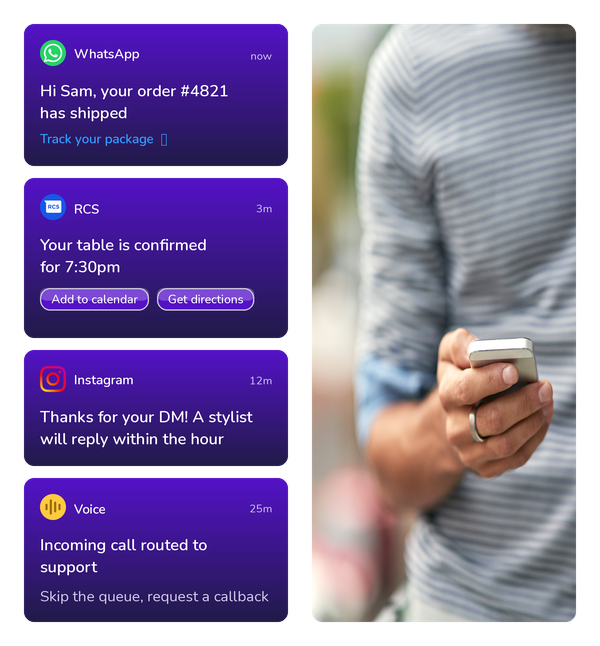









No separate contract or integration per channel. Connect once, and reach customers on any channel they use, from one platform.
WhatsApp, RCS, SMS, Email, Voice, and more, all in one interface.
Move between channels and pick up any conversation right where it left off.
Quick replies, chatbots, and AI agents, plus images, video, and locations, out of the box.
Rich cards, carousels, and read receipts, built right into the SMS inbox.
Campaigns, support, payments, and AI agents, on the world's most used messenger
Reach any phone, on any network, with the channel that still gets read first.
Transactional and marketing email, sent from the same platform as your messaging channels.
Turn comments and DMs into sales and support, without leaving the app.
Handle support and sales on one of today's most active messaging platforms.
Rich, instant, and interactive conversations for Viber's global user base.
Chat with 1.4 billion Apple device users, right inside Messages.
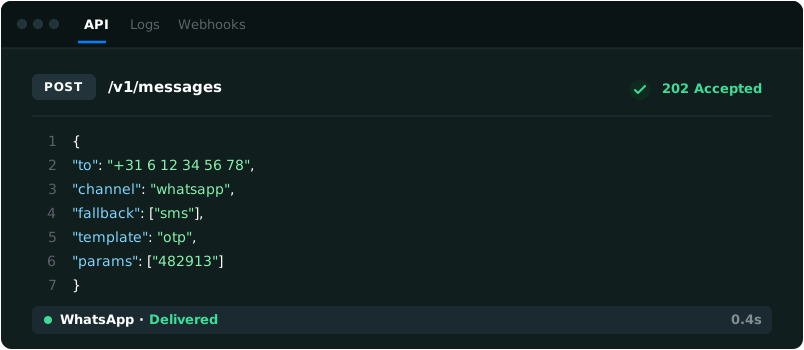
Integrate once with the Business Messaging API and send and receive messages across every channel from your own systems. Built for developers who want full control over what they build.
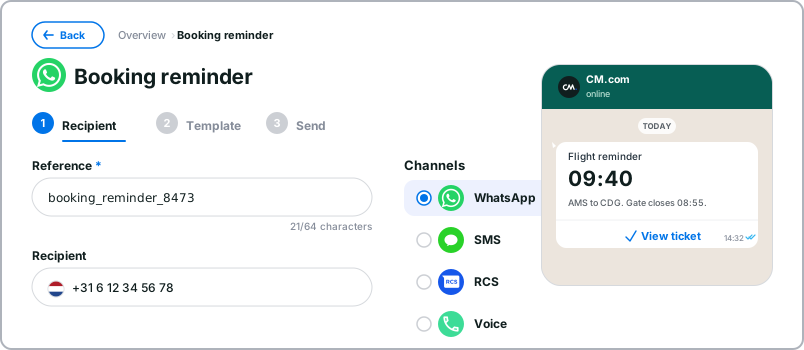
Run these channels through CM.com's platform instead of building your own, across four connected suites: Connect, Activate, Convert, and Support.
Every channel gets you into the conversation. What keeps it going is what's underneath: the Customer Context Platform connects every message, call and order into one profile. So the conversation that starts on WhatsApp and continues by phone still has the full history behind it, no re-explaining, no starting over.
The more channels a customer uses, the sharper that picture gets. And whichever channel a team or an AI agent replies on, they're working from the same one.
A HALO agent or a colleague picks up the thread on WhatsApp, voice or email, same context either way.
Send the message on the channel each customer actually uses, RCS, SMS, email or WhatsApp.
One HALO agent handles the conversation wherever it starts, consistent every time.
Every industry uses conversational channels differently. Here's how four of our customers put them to work.
Lucardi, the Netherlands' largest jewelry chain, moved WhatsApp and web chat questions to an AI colleague. It now resolves 79% of chats on its own, freeing the team for cases that need a person.
CM.com has run the whole Dutch Grand Prix fan journey for five years: ticketing, payments, and an AI assistant that resolved 95% of fan conversations automatically during race weekend 2025.
Qeld, a FinTech providing accessible loans to small businesses, connects customers with support agents over WhatsApp, replacing the slow, paperwork-heavy process typical of banks.
Kidream.ai, an AI entertainment platform expanding across Southeast Asia, uses SMS and Voice for verification, then hands routine support questions to a HALO AI agent.
Get started with one channel or all of them. Start small, grow big with a platform that scales with you and your customers.
Every brand says it is "customer-centric." Far fewer can answer a simpler question. When your customer wants to hear from you, are you in the place they would actually look?
RCS is a rising star among the messaging channels. It combines the reliability of the SMS network with the added benefits of rich media and other modern messaging features. Its only hiccup was reach - iOS didn't support RCS. Until now.
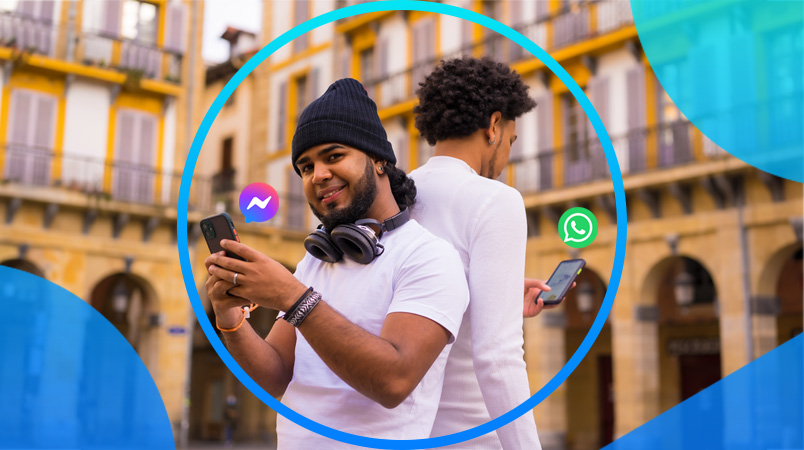
WhatsApp and Facebook Messenger are both established messaging channels for customer engagement. But what are the differences? Which advantages does each channel have for what business use case? Let's dive into the details
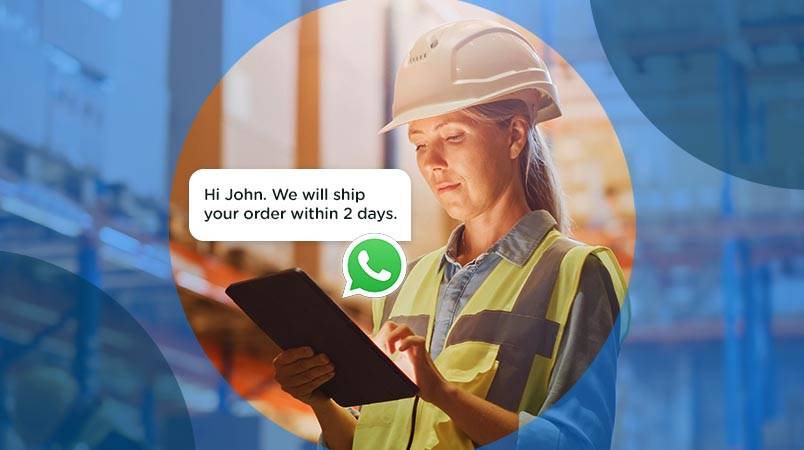
Even the most easy-going among us can get a bit nervous if we need clarification on what's going on with our order. We've all been there, combing through our emails from the past month, searching for payment confirmation, or fretting about whether our product has accidentally been shipped three-quarters of the way around the world to an unknown location, never to be seen again.
Picture the scene as a customer: we've made the decision that we're going to buy something and we've added it to the cart, but for whatever reason, we don't follow through with the transaction. Sometimes we forget that we've added items to the cart; other times the phone rings just as we're about to click pay and we forget about it. On other occasions, we see something at the last minute that we don't like the look of that makes us think twice about buying.
Customer messaging doesn’t have to be one-way. With two-way messaging, marketing becomes a conversation rather than a broadcast. When you can communicate with customers as equals, you can fully understand what they want from your brand, and that’s about as valuable as data gets.
In an age of mass marketing, as well as constant TV, internet, and email advertising, it’s safe to say that sales periods can be something of an overwhelming experience for consumers around the world. Inundated with information from companies, people could be forgiven for wanting to switch off their phones, radios, and televisions and ignore all forms of marketing until the sales period is all over. As an eCommerce owner, you should always be looking to avoid this by diversifying your marketing strategy in a way that suits your customer's needs.
Today’s consumers expect easy and convenient communication with businesses. That means your business needs to be easy to engage with and reach when your customers need you. Being present on the right communication channels can make or break the customer experience.
When it comes to business messaging and message delivery - SMS works brilliantly. It’s the most accessible channel people still use every day, and it’s unlikely to go away any time soon. And that’s why SMS is used by most businesses, big and small, to communicate with their customers whenever they want and wherever they are.
Select a region to show relevant information. This may change the language.












 1-888-296-8880


